





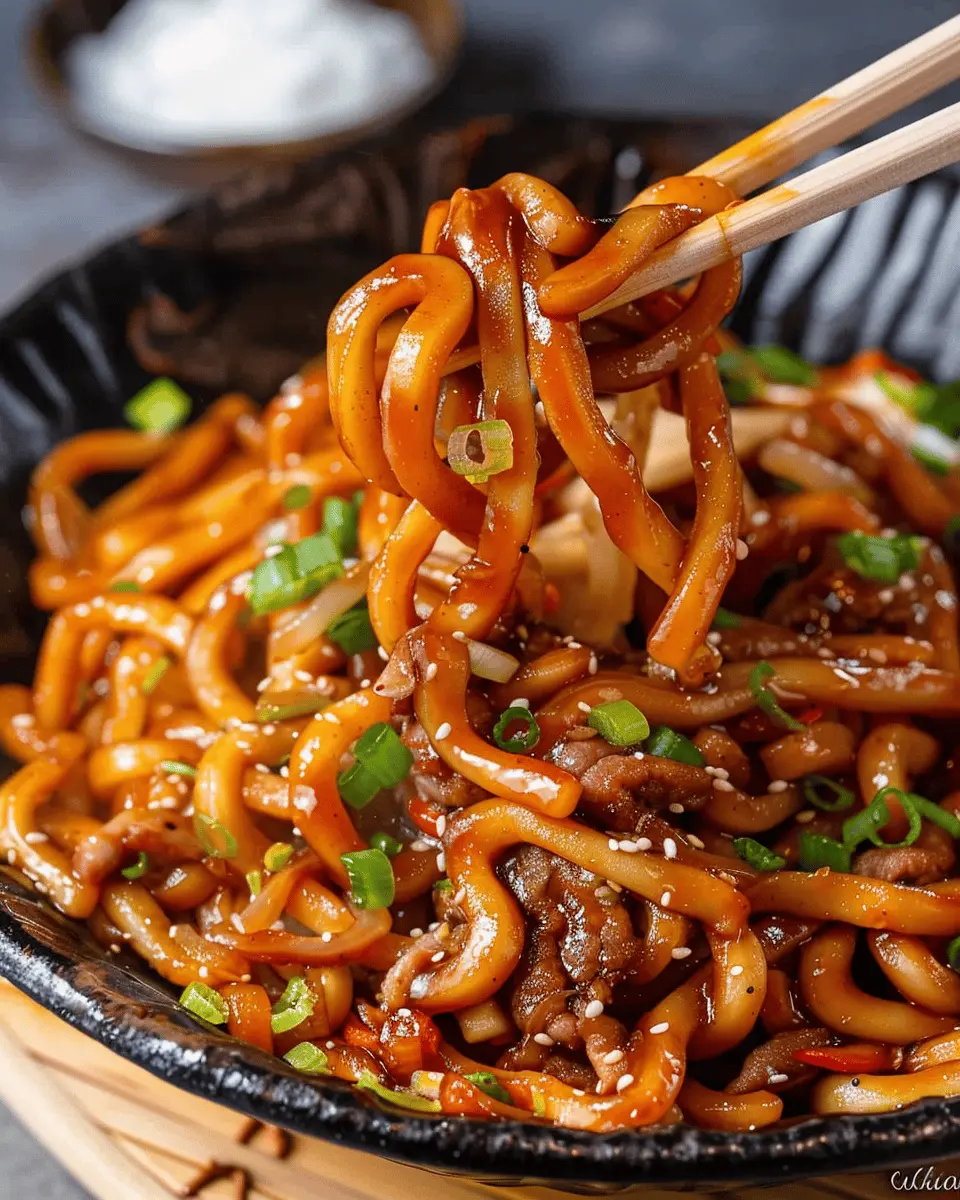
Introduction to Yaki Udon
When it comes to quick, satisfying meals, yaki udon stands out as a top contender for young professionals. In our fast-paced lives, we often seek comfort food that is not only delicious but also easy to prepare. Yaki udon fits this bill perfectly, combining flavorful stir-fried udon noodles with a variety of vibrant vegetables and proteins. This dish enables you to whip up a delicious meal in just about 30 minutes, making it ideal for those busy weeknights after a long day at the office.
For those who may be new to Japanese cuisine, yaki udon is essentially a stir-fry recipe featuring thick udon noodles, which have a chewy texture that holds sauces beautifully. You can customize it with your favorite ingredients, so whether you prefer turkey bacon, chicken ham, or just an array of veggies, there’s no wrong way to make it. The good news? Most of these ingredients can be found locally or ordered online for convenience. For more information on sourcing authentic ingredients, check out Japan Centre.
Why is yaki udon a perfect fit for young professionals? Here are just a few reasons:
- Quick Preparation: You can easily prepare this meal in under 30 minutes, meaning it fits perfectly into a busy schedule.
- Healthy and Nutritious: Packed with vegetables and protein, this dish offers not just flavor but also essential nutrients. You can customize the components based on dietary preferences, making it versatile and inclusive.
- Cost-Effective: With relatively affordable ingredients, yaki udon won’t stretch your budget. It allows for exploring your culinary skills without breaking the bank.
But what really makes yaki udon special is its flexibility. Feeling adventurous? Grab some seasonal produce or leftover protein from your fridge and throw it into the mix. It’s a great way to reduce food waste while crafting a delicious meal.
In summary, yaki udon is more than just a quick dinner; it’s a canvas for your culinary creativity, perfect for the young professional who wants to balance flavor, health, and convenience. Ready to step into the kitchen? Let’s dive into the recipe!
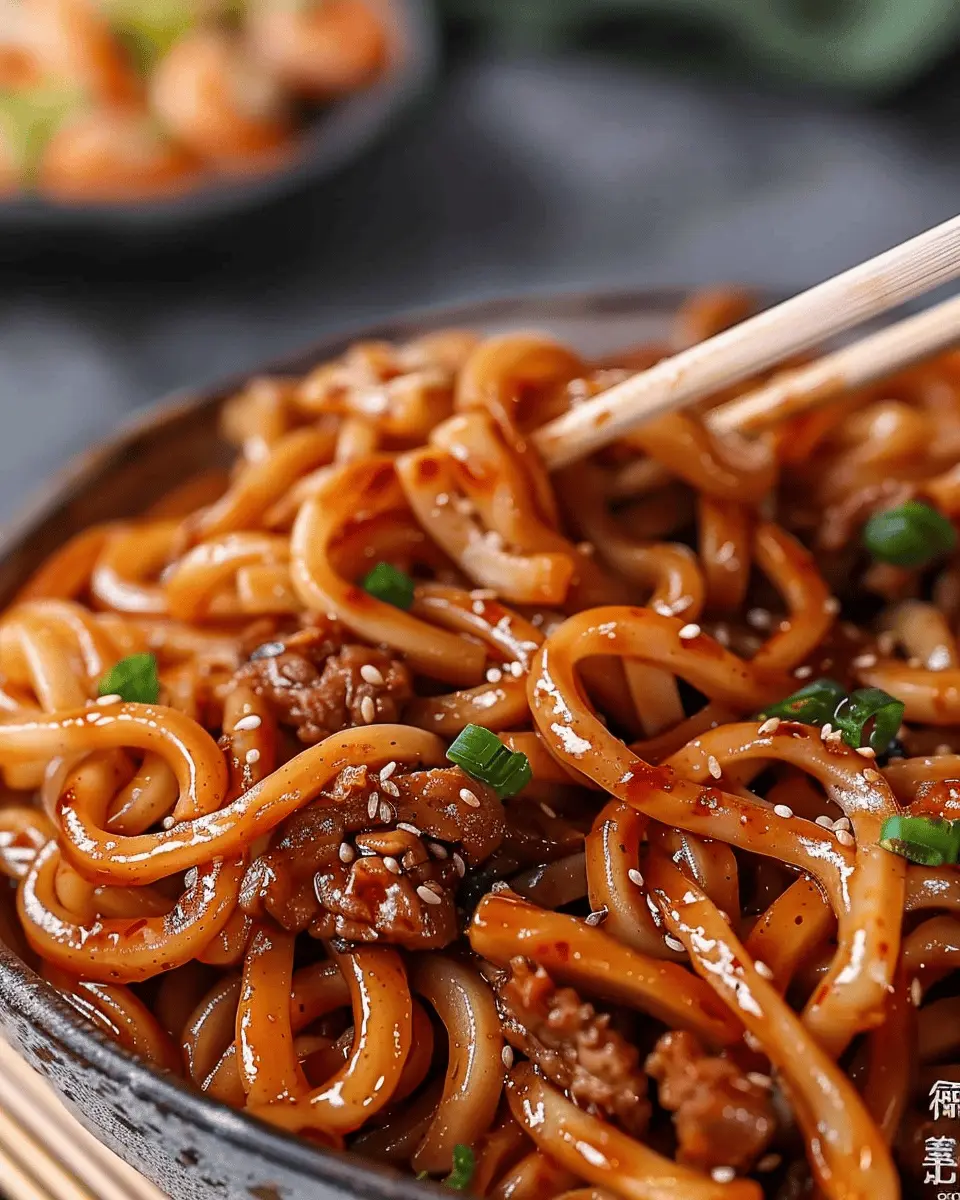
Ingredients for Yaki Udon
Essential ingredients for a delicious yaki udon
Creating a mouthwatering yaki udon starts with selecting fresh, quality ingredients. Here’s a brief rundown of what you’ll need for this satisfying dish:
- Udon Noodles: Look for either fresh or frozen udon noodles. They provide that perfect chewy texture.
- Vegetables: Bell peppers, carrots, and bok choy are fantastic options. They add color, crunch, and nutrition!
- Protein: Turkey bacon or chicken ham are excellent choices, bringing a savory depth to your stir fry. If you prefer beef, try thinly sliced options for quick cooking.
- Sauce: A mixture of soy sauce, oyster sauce, and a dash of sesame oil makes for a rich, flavorful base.
Tips for selecting fresh ingredients
When hunting for ingredients, freshness matters! Choose vibrant vegetables with no blemishes. For noodles, a quick look at the packaging can avoid any frozen clumps. Don’t hesitate to ask your local grocer or check out reputable sources like Food Network or America’s Test Kitchen for tips on choosing the best quality items.
By following these suggestions, you’ll set yourself up for a delightful yaki udon experience!
Preparing Yaki Udon
If you’ve ever savored a bowl of yaki udon at your favorite Japanese restaurant, you know that the combination of flavorful stir-fried noodles, tender veggies, and succulent protein can transport your taste buds straight to culinary heaven. The good news is that you can easily recreate this Japanese classic in the comfort of your kitchen! Let’s dive into the steps for preparing a delicious yaki udon dish that will impress your friends and satisfy your cravings.
Gather and prep your ingredients
Before we hit the stove, it’s essential to gather all your ingredients. This not only makes the cooking process smoother but also helps you avoid those pesky “I forgot to add an ingredient!” moments.
- Noodles: Start with fresh or frozen udon noodles. They have a chewy texture that’s perfect for stir-frying.
- Protein: You can use shrimp, chicken ham, or turkey bacon for this dish. Each adds a unique flavor!
- Vegetables: Gather a colorful mix. Good choices are bell peppers, broccoli, mushrooms, and carrots. They not only taste great but also add that satisfying crunch.
- Aromatics: Don’t forget garlic and ginger; these add a lovely depth of flavor.
- Cooking oil: Choose a high smoke point oil like vegetable or sesame oil for the stir-frying.
- Sauce: You’ll need soy sauce, oyster sauce, and a hint of mirin or sugar for sweetness.
Having everything prepped and ready to go makes cooking more enjoyable, trust me!
Whip up the savory sauce
Let’s make the sauce that brings all your yaki udon ingredients together:
- In a small bowl, mix together:
- 2 tablespoons soy sauce
- 1 tablespoon oyster sauce
- 1 teaspoon mirin (or a pinch of sugar if you prefer)
- Stir it well until combined. You can adjust the seasoning according to your taste. Want it saltier? Add a bit more soy sauce. Prefer a sweeter kick? A tad more sugar does the trick!
This quick sauce not only enhances the yaki udon flavor but also balances the savory and sweet notes beautifully.
Cook the shrimp to perfection
Now it’s time to cook your protein. If you’re using shrimp, they cook quickly and should be done in no time.
- Heat a couple of tablespoons of oil in a large skillet or wok over medium-high heat.
- Add minced garlic and grated ginger; stir-fry for about 30 seconds, or until fragrant.
- Toss in the shrimp and cook until they turn pink and opaque—about 3-4 minutes.
Remove the shrimp and set them aside. You want them perfectly cooked, not rubbery, so don’t let them sit too long in the pan!
Sauté the veggies for a satisfying crunch
Next up, it’s veggie time!
- In the same skillet, add another splash of oil if needed, and toss in your chopped vegetables.
- Stir-fry for about 4-5 minutes. You want them to be vibrant and slightly tender but still maintain a satisfying crunch.
This step heightens the yaki udon experience, as the fresh veggies not only provide texture but also add vital nutrients. Eating well never tasted so good!
Stir it all together and make magic happen
Time to bring everything together!
- Dump the cooked shrimp back into the skillet with the veggies.
- Add the cooked udon noodles and your homemade sauce.
- Gently toss everything together, ensuring the sauce coats the noodles evenly.
Cook for another minute to let the flavors meld together, and voila! You’ve created a dish that rivals your favorite yaki udon restaurant meal. Serve it hot and garnish with chopped green onions or sesame seeds if you like!
Cooking can feel daunting, but with these steps, you’re well-equipped to make a fantastic dish that will leave your taste buds thanking you. Enjoy experimenting with flavors, and don’t hesitate to make this recipe your own! Want more deliciousness? Check out Japanese Cooking 101 for more authentic recipes!
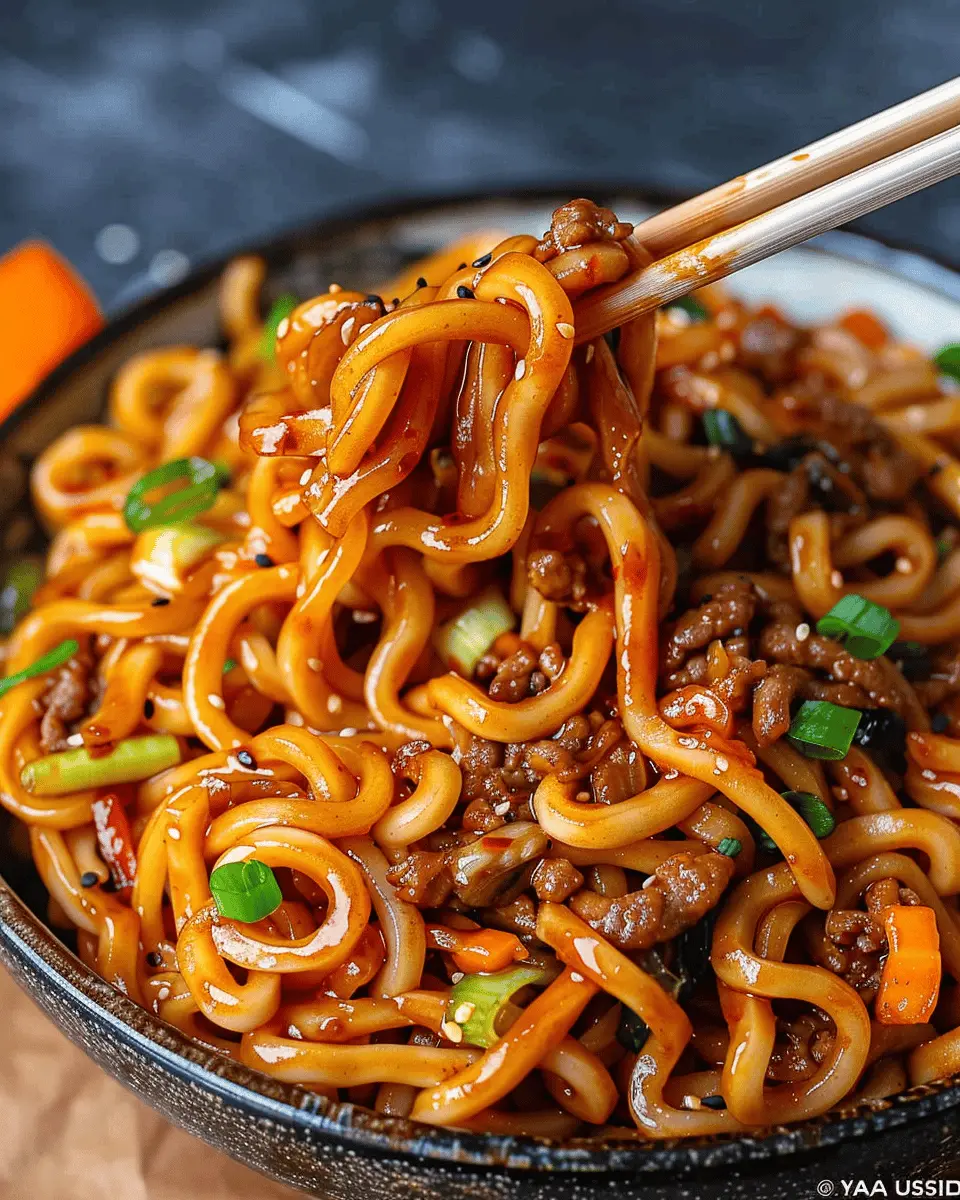
Variations on Yaki Udon
If you’ve discovered the deliciousness of yaki udon, you may be wondering how to mix things up and keep your meals exciting. Fortunately, this versatile dish lends itself well to a range of variations. Let’s look at some creative twists!
Yaki Udon with Chicken Ham
For those who enjoy a protein-packed meal, using chicken ham in your yaki udon is a fantastic choice. The tender slices pair beautifully with the chewy udon noodles, offering a delightful flavor without overwhelming the dish. Simply sauté the chicken ham with your favorite vegetables, like bell peppers and broccoli, before adding the noodles. A dash of soy sauce and a sprinkle of sesame seeds will complete this easily customizable dish.
Vegetarian Yaki Udon Options
Going meatless doesn’t mean sacrificing flavor! You can whip up a vibrant vegetarian yaki udon by loading your stir-fry with fresh seasonal vegetables. Think about adding:
- Mushrooms
- Carrots
- Snap peas
- Zucchini
You could also toss in some tofu for added protein and texture. To elevate the flavor profile, consider using a combination of soy sauce and mirin (a sweet rice vinegar) – it adds a lovely depth without overpowering the other ingredients.
Adding Extra Protein with Turkey Bacon
If you’re looking for something a little different, turkey bacon is an excellent addition to your yaki udon. Its smoky flavor complements the noodles perfectly. Just cook the turkey bacon until crisp, remove it from the pan, and use the drippings to sauté your vegetables. Once everything is mixed together, you’ll find that the yaki udon achieves a delightful smokiness, making every bite satisfying.
So whether you’re a meat lover or prefer plant-based options, there’s a version of yaki udon waiting for you to discover! Looking for more tips on ways to enjoy this dish? Check out this resource for inspiration and variations.
Cooking Tips and Notes for Yaki Udon
Common Mistakes to Avoid
Making yaki udon can be a delightful experience, but a few common pitfalls can derail your dish! First, don’t overcook your udon noodles. They should be al dente; always follow the package instructions or briefly check for doneness. Second, use a hot wok or skillet to ensure a proper stir-fry. This helps the ingredients sear quickly, locking in flavors. Lastly, if you’re adding proteins like turkey bacon or chicken ham, ensure they are cooked through before adding veggies, and avoid burning any ingredients by constantly tossing, which leads to balanced cooking.
How to Store Leftover Yaki Udon
Storing leftover yaki udon is simple! Allow the dish to cool to room temperature, then transfer it to air-tight containers. Refrigerate and enjoy it within 2-3 days. You might want to add a splash of soy sauce or sesame oil when reheating to revive those tasty flavors. For longer storage, you can freeze your mix; just remember to separate the noodles and proteins to prevent clumping. Just visit FoodSafety.gov for more tips on food storage practices!
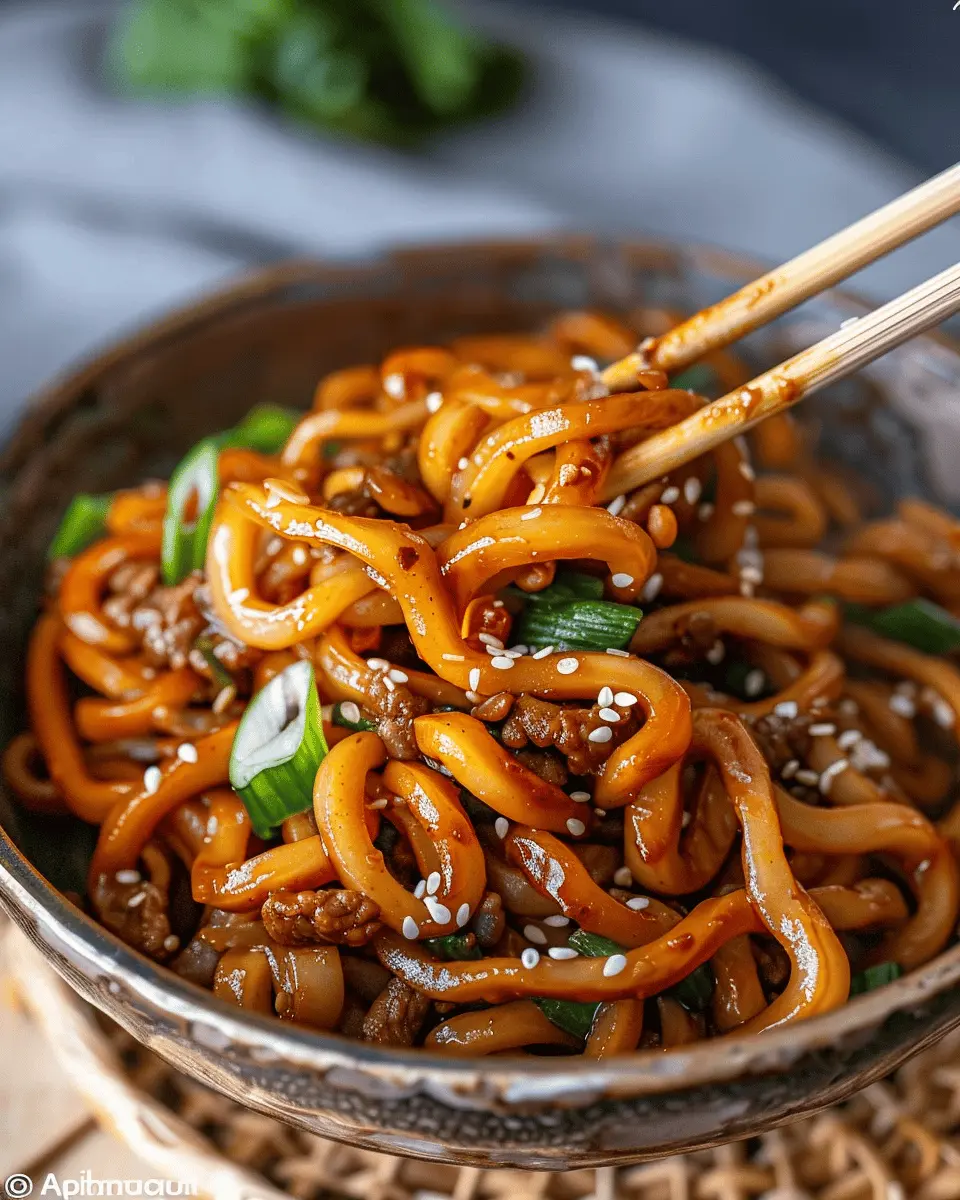
Serving Suggestions for Yaki Udon
Creative Presentation Ideas
When it comes to serving yaki udon, presentation makes a world of difference. Use a deep, wide bowl to allow the vibrant colors of the dish to shine. Garnish with finely chopped green onions and a sprinkle of sesame seeds for an elegant finish. A pair of chopsticks placed artfully alongside the bowl adds an authentic touch. For a fun twist, consider serving your yaki udon in a bento box, layered with side items for a complete meal experience that looks as good as it tastes.
Pairing Yaki Udon with Complementary Dishes
To elevate your yaki udon experience, consider pairing it with complementary dishes. A side of crunchy tempura vegetables or gyoza (Japanese dumplings) brings texture and variety to your meal. If you’re in the mood for something refreshing, a simple Japanese cucumber salad with a tangy sesame dressing pairs beautifully.
These complementing dishes not only enhance the flavors of the yaki udon but also create a more fulfilling dining experience for family and friends. And don’t forget to serve some chilled green tea or a refreshing iced matcha to round out your meal!
Time Breakdown for Yaki Udon
When you’re craving a delicious bowl of yaki udon, it helps to know how to manage your time effectively. Here’s a quick breakdown to keep you on track.
Preparation Time
Getting your ingredients ready? That’ll take about 10-15 minutes. Chop your veggies, slice the turkey bacon, and have everything within arm’s reach for a smooth cooking experience. If you’re in a hurry, prepping beforehand can be a real time-saver.
Cooking Time
The actual cooking process will take around 15-20 minutes. It’s quite fast, allowing those rich flavors to meld beautifully in no time. Keep an eye on your noodles to prevent overcooking.
Total Time
In total, you’re looking at about 25-35 minutes from start to finish. Perfect for a weeknight dinner or a casual gathering with friends. For more tips on timing and techniques, consider checking out Food Network’s guide on stir-frying techniques. Happy cooking!
Nutritional Facts for Yaki Udon
When it comes to yaki udon, it’s not just about great taste; it’s also about understanding what you’re putting on your plate. Here’s a quick look at its nutritional components:
Calories
A standard serving of yaki udon typically contains around 350-400 calories. This makes it a filling yet manageable option for a meal, especially for active young professionals looking to strike a balance between enjoyment and healthy eating.
Protein
Expect around 15-20 grams of protein per serving, especially when you add protein-rich ingredients like turkey bacon or chicken ham. Protein is crucial for muscle repair and maintaining energy levels throughout your busy day.
Sodium
With roughly 700-800 mg of sodium per serving, it’s wise to keep an eye on your salt intake, especially if you’re managing your health. Opting for low-sodium soy sauce can help balance flavor without compromising your wellness goals.
For more in-depth information on nutritional statistics, check out resources like NutritionData or MyFitnessPal for tailored insights!
FAQ about Yaki Udon
When diving into the world of yaki udon, you might have a few burning questions. Don’t worry; you’re not alone! Here are some common queries and our friendly answers.
Can I use frozen udon noodles?
Absolutely! Frozen udon noodles are a great option when fresh isn’t available. They often cook just as well, retaining that delightful chewy texture we all love in yaki udon. Just make sure to follow the package instructions for the best results. Thaw them before adding to your stir-fry to ensure even cooking.
What can I substitute for udon noodles?
If you can’t find udon noodles or simply want to try something different, don’t fret! Here are some tasty alternatives:
- Soba noodles: Made from buckwheat, they offer a distinct flavor while being a bit healthier.
- Rice noodles: If you’re going for a gluten-free option, these will work beautifully in your stir-fry.
- Spaghetti: In a pinch, traditional pasta can be a substitute. It’ll taste different, but still delicious!
How can I make yaki udon gluten-free?
Going gluten-free? No problem! You can easily adapt your yaki udon by using gluten-free udon noodles or rice noodles as mentioned earlier. Be sure to check your soy sauce, too, as many brands contain wheat. Tamari is a fantastic gluten-free alternative that provides that rich, umami flavor essential to a great stir-fry.
For a deeper dive into substituting ingredients, check out resources like Delish or Serious Eats. Cooking is always about creativity, so don’t hesitate to experiment!
Conclusion on Yaki Udon
Yaki udon is a delightful dish that stands out in the world of homemade meals. With its perfect blend of chewy udon noodles, vibrant vegetables, and the savory taste of Turkish bacon or chicken ham, it offers a comforting dinner option that’s both quick and satisfying. The beauty of yaki udon lies in its versatility; you can customize it with your favorite ingredients, making it ideal for busy weeknights or casual gatherings with friends. Plus, it’s a great way to sneak in some veggies! So why not make yaki udon your next go-to meal and enjoy a taste of Japan right at home? For more inspiration, check out Japanese Cooking 101 for delicious ideas!
PrintYaki Udon: The Easy and Delicious Stir-Fry You’ll Love

Yaki Udon (Japanese Stir Fries Udon Noodles) is a classic dish that combines chewy udon noodles with fresh vegetables and a savory sauce for a quick and satisfying meal.
- Prep Time: 10 minutes
- Cook Time: 15 minutes
- Total Time: 25 minutes
- Yield: 2 servings
- Category: Main Dish
- Method: Stir Fry
- Cuisine: Japanese
- Diet: Vegetarian
Ingredients
- 2 servings udon noodles
- 1 cup sliced bell peppers
- 1 cup sliced mushrooms
- 1 cup broccoli florets
- 2 tablespoons soy sauce
- 1 tablespoon sesame oil
- 1 teaspoon garlic, minced
- 1 teaspoon ginger, minced
Instructions
- Boil the udon noodles according to the package instructions and drain.
- In a large skillet, heat the sesame oil over medium heat.
- Add garlic and ginger, stirring for 1 minute until fragrant.
- Add the sliced bell peppers, mushrooms, and broccoli, sautéing until tender.
- Add the udon noodles and soy sauce to the skillet. Toss everything to combine and heat through.
- Serve hot and enjoy!
Notes
- You can add your choice of protein, like chicken or shrimp, for extra flavor.
- Feel free to use any vegetables you have on hand.
Nutrition
- Serving Size: 1 serving
- Calories: 400
- Sugar: 4g
- Sodium: 800mg
- Fat: 12g
- Saturated Fat: 2g
- Unsaturated Fat: 8g
- Trans Fat: 0g
- Carbohydrates: 60g
- Fiber: 4g
- Protein: 12g
- Cholesterol: 0mg